
Insights, Trends & Stories from the Food Industry.
Explore insights on food ingredients, spices, sourcing, quality, industry trends and market developments to stay informed about the evolving food and ingredients sector.
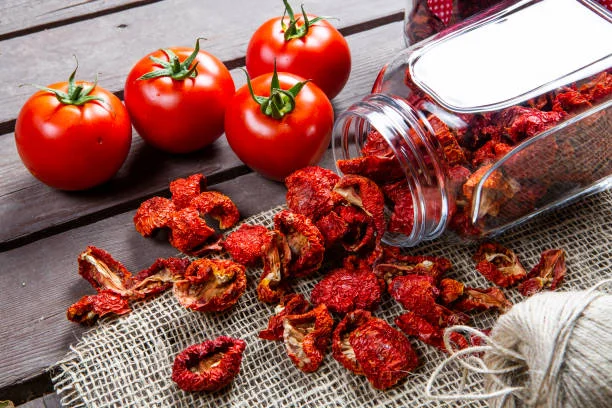
Why Dehydrated Vegetables Are Essential for Modern Food Manufacturing
Why Dehydrated Vegetables Are Essential for Modern Food Manufacturing
Published: 15 July 2026
The food manufacturing industry is continuously evolving to meet consumer demand for high-quality, nutritious, and convenient products. One of the key ingredients driving this transformation is dehydrated vegetables. By removing moisture while preserving essential nutrients, flavour, and colour, dehydrated vegetables provide food manufacturers with a reliable, cost-effective, and long-lasting solution for a wide range of food applications.
From instant soups and ready-to-eat meals to seasoning blends and snack products, dehydrated vegetables have become an indispensable ingredient in modern food production. Their ability to maintain consistent quality while reducing storage and transportation costs makes them a preferred choice for manufacturers worldwide.
What Are Dehydrated Vegetables?
Dehydrated vegetables are fresh vegetables that have undergone a carefully controlled drying process to remove most of their moisture content. This process significantly extends their shelf life while retaining much of their natural taste, aroma, texture, and nutritional value. When rehydrated during cooking, they closely resemble fresh vegetables, making them suitable for numerous commercial food products.
Benefits of Dehydrated Vegetables
Extended Shelf Life
One of the biggest advantages of dehydrated vegetables is their long shelf life. Unlike fresh vegetables that spoil within days, dehydrated vegetables can be stored for months when kept in suitable conditions. This helps manufacturers reduce waste and maintain a stable inventory throughout the year.
Consistent Quality
Food manufacturers require ingredients that deliver uniform results in every production batch. Dehydrated vegetables provide consistent size, colour, flavour, and quality, ensuring every finished product meets the same standards regardless of the season.
Lower Storage and Transportation Costs
Since water makes up a significant portion of fresh vegetables, removing it greatly reduces weight and volume. This means dehydrated vegetables require less storage space and are more economical to transport, helping businesses lower logistics costs.
Reduced Food Waste
Fresh vegetables are highly perishable and often lead to unnecessary wastage. Dehydrated vegetables remain usable for extended periods, allowing manufacturers to better manage inventory while reducing spoilage and operational losses.
Improved Production Efficiency
Most dehydrated vegetables are cleaned, peeled, sliced, diced, or powdered before packaging. This eliminates several preparation steps during food processing, saving both time and labour while improving production efficiency.
Applications in the Food Industry
Dehydrated vegetables are widely used across different sectors of the food industry, including:
- Instant noodles
- Ready-to-eat meals
- Soup and seasoning mixes
- Frozen food products
- Snack foods
- Sauces and gravies
- Restaurant and catering services
- Bakery and savoury products
- Emergency and military food supplies
Their versatility makes them suitable for both large-scale food manufacturers and commercial kitchens.
Popular Dehydrated Vegetables
A wide variety of vegetables can be dehydrated to meet different food processing requirements. Some of the most commonly used options include:
- Onion
- Garlic
- Carrot
- Tomato
- Potato
- Green Peas
- Spinach
- Cabbage
- Bell Pepper
- Beetroot
- Green Beans
- Coriander Leaves
These vegetables are available in flakes, granules, powder, slices, cubes, and other customised forms depending on production needs.
Nutritional Value
Modern dehydration techniques are designed to preserve much of the natural nutritional content of vegetables. Essential vitamins, minerals, dietary fibre, and antioxidants remain largely intact, allowing manufacturers to create healthy and nutritious food products without compromising on quality.
A Sustainable Choice
Using dehydrated vegetables also contributes to more sustainable food production. Their extended shelf life reduces food waste, while their lightweight nature lowers transportation fuel consumption and packaging requirements. These factors help minimise the environmental impact of food manufacturing.
Why Food Manufacturers Prefer Dehydrated Vegetables
Food manufacturers choose dehydrated vegetables because they offer year-round availability, consistent quality, reduced operational costs, and simplified production processes. They eliminate seasonal supply challenges and help businesses maintain uninterrupted production schedules while delivering reliable products to customers.
Conclusion
Dehydrated vegetables have become an essential ingredient in modern food manufacturing due to their convenience, long shelf life, consistent quality, and cost efficiency. They support faster production, reduce waste, simplify storage, and ensure manufacturers can deliver high-quality food products throughout the year.
As consumer demand for convenient and nutritious foods continues to grow, dehydrated vegetables will remain a valuable solution for food processors, restaurants, and commercial kitchens seeking reliable ingredients without compromising on taste or quality.